01
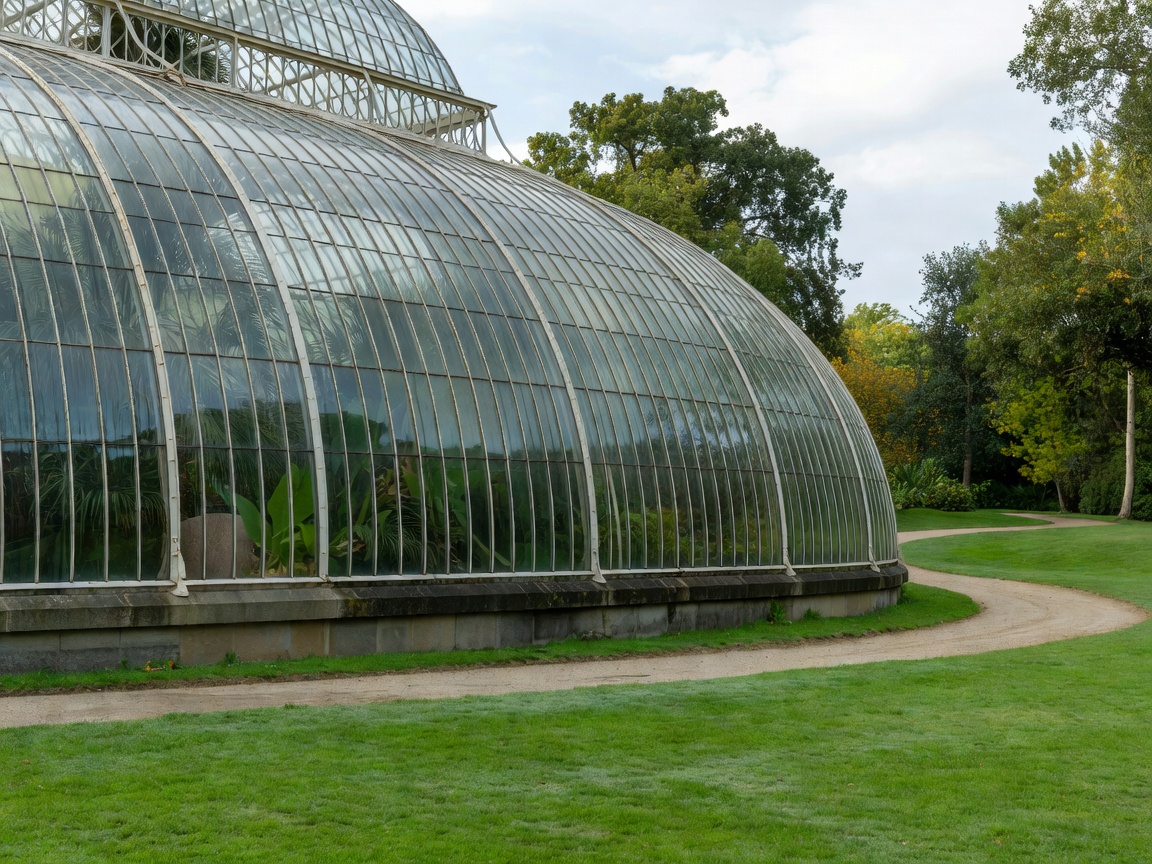
Kew’s Palm House
Read Decimus Burton and Richard Turner’s great Victorian structure alongside Kew’s tropical plant collection, humid air and conservation role.
Enter the Palm House guideWe look closely at five botanical gardens and glasshouse complexes: what their collections are for, how their climates are managed and which details reward attention.
Explore the gardens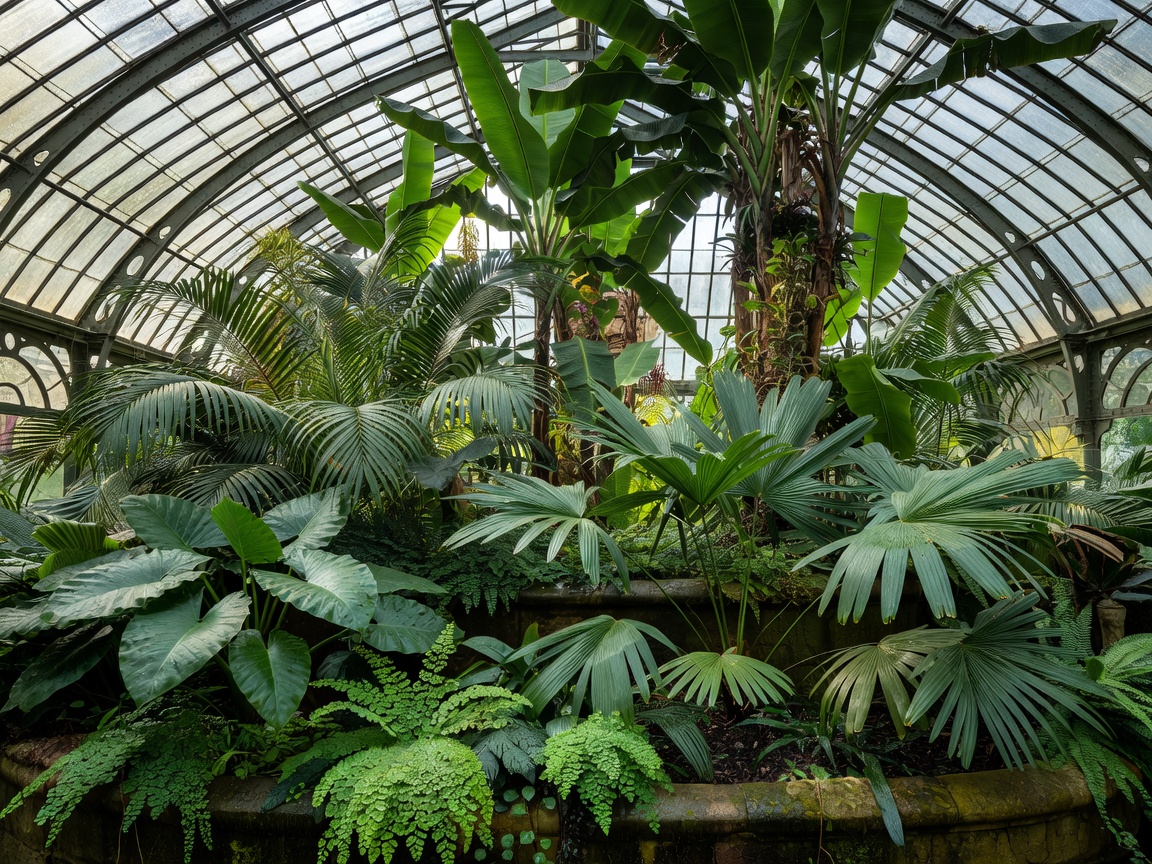
These places share living collections, yet their histories and methods diverge. The iron ribs at Kew, taxonomic beds in Paris, geographic groupings in Berlin, medicinal legacy in Padua and ecosystem display at Eden invite different ways of looking.
Read Decimus Burton and Richard Turner’s great Victorian structure alongside Kew’s tropical plant collection, humid air and conservation role.
Enter the Palm House guide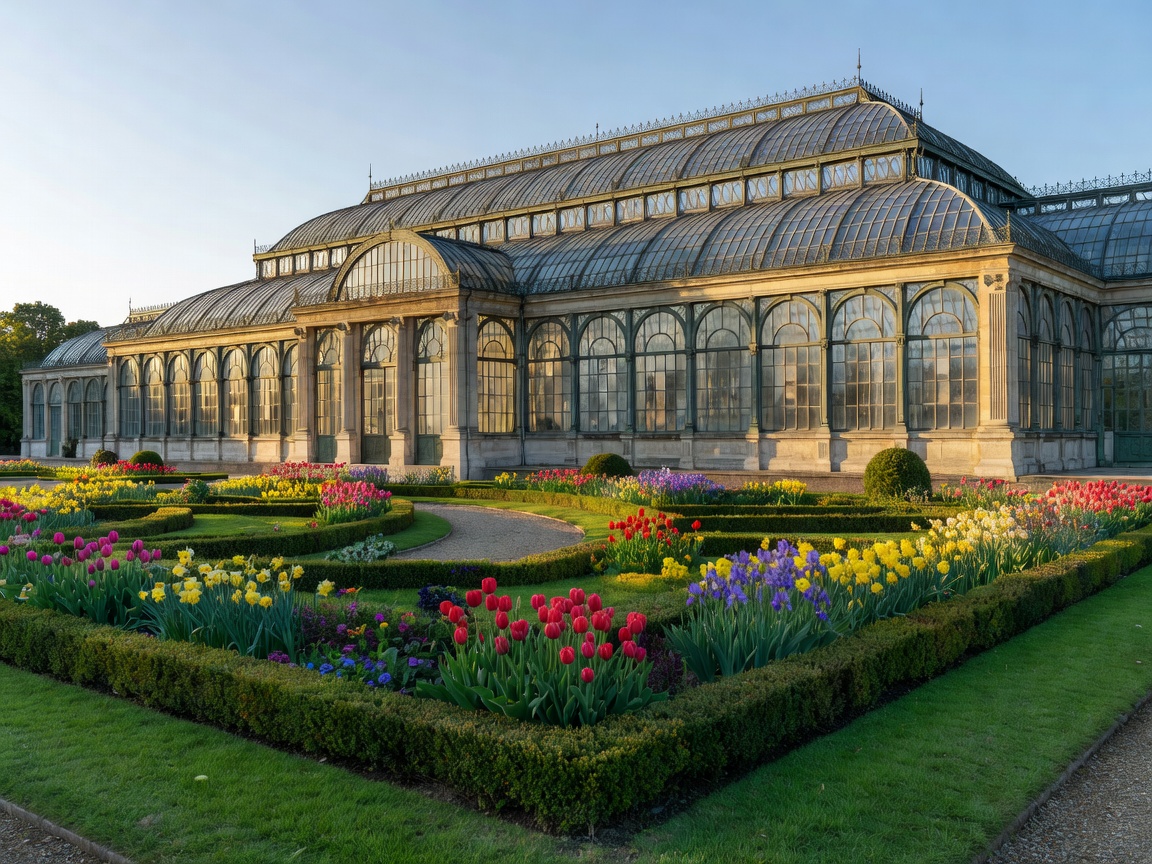
Connect the Grandes Serres to the wider Muséum national d’Histoire naturelle, its systematic beds and long teaching tradition.
Read the Paris guide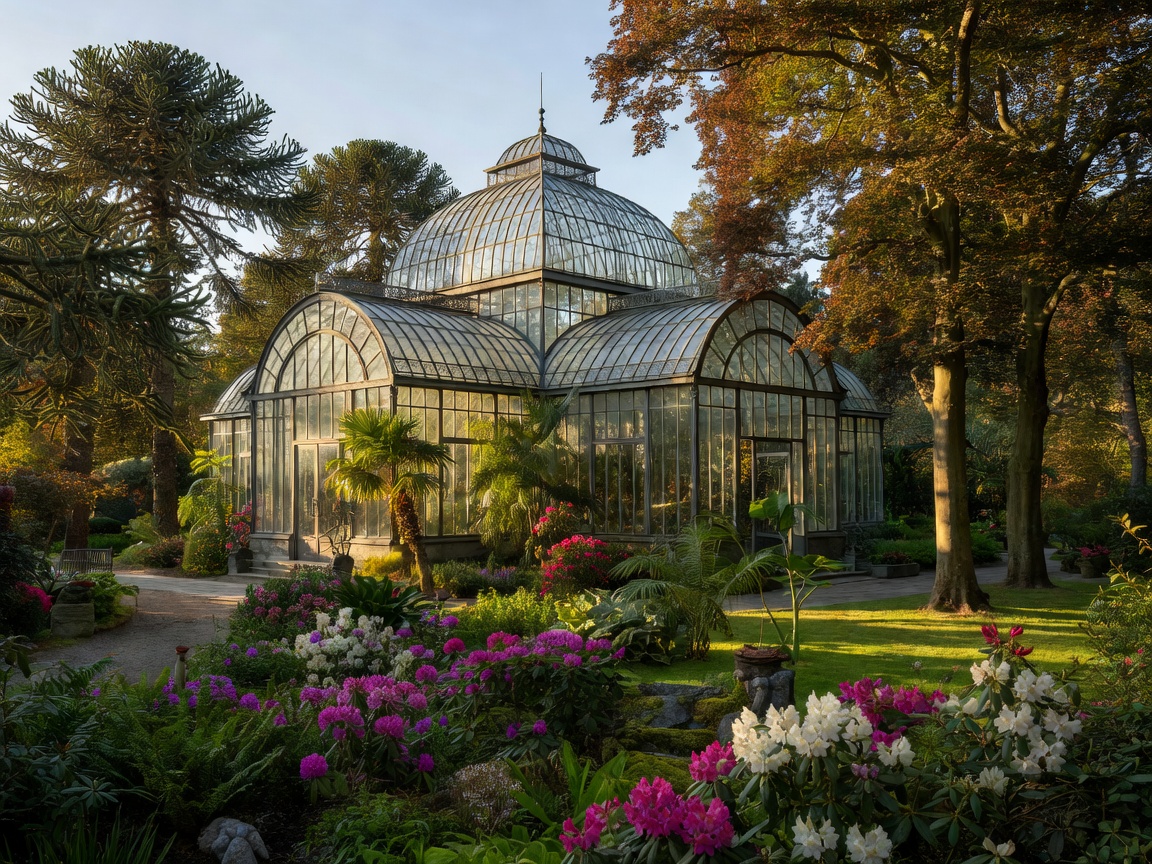
Follow geographic planting from outdoor landscapes to the Great Pavilion and the exceptional Welwitschia collection.
Read the Berlin guide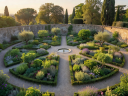
Compare the sixteenth-century circular garden with the modern Biodiversity Garden and its climate-led sequence.
Read the Padua guide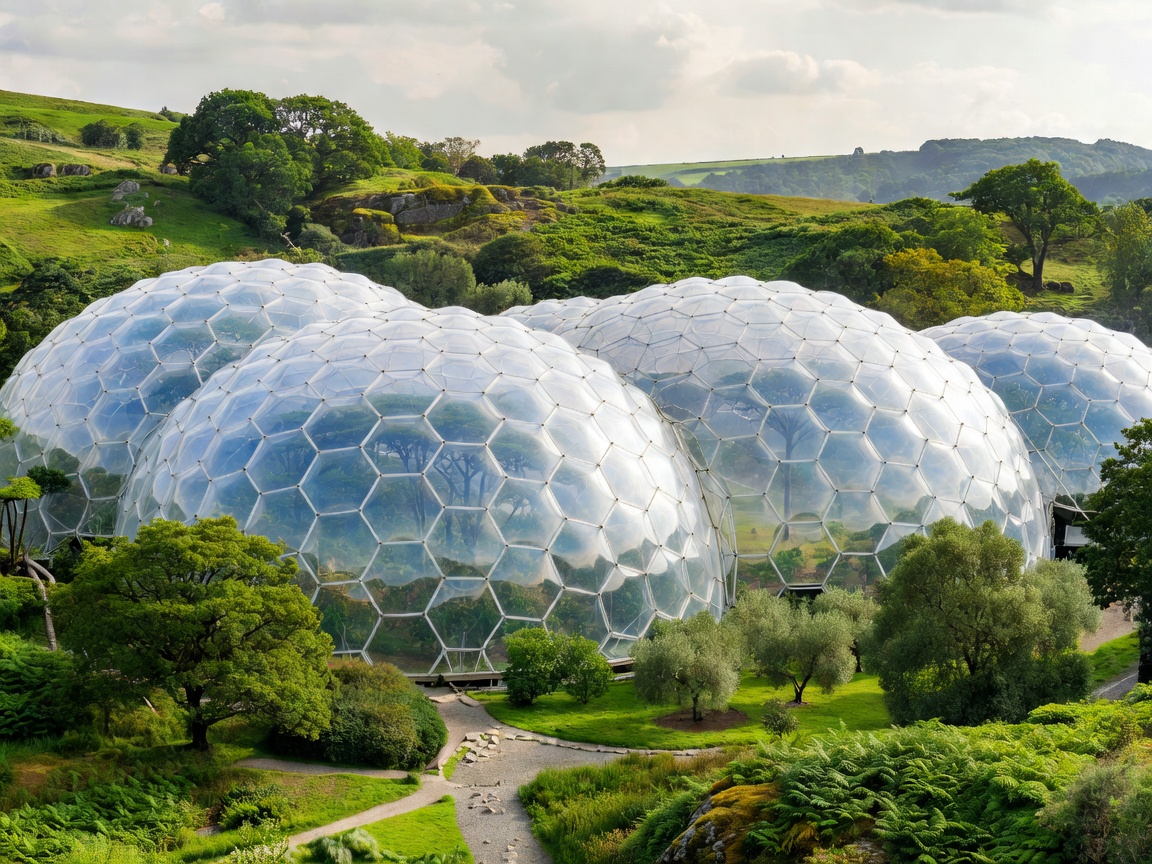
See how the Rainforest and Mediterranean Biomes turn climate, food plants and human dependence into a broad public story.
Read the Eden guideA living collection may support taxonomy, conservation, teaching, research or public interpretation. Most do several jobs, but the balance changes from garden to garden.
Glass admits light and traps heat, but horticultural control also depends on shade, vents, heating, misting, irrigation and constant attention to air movement.
Labels, accession details, bed organisation and repeated plant families reveal more than spectacle alone. We can enjoy the canopy while still reading the system beneath it.